
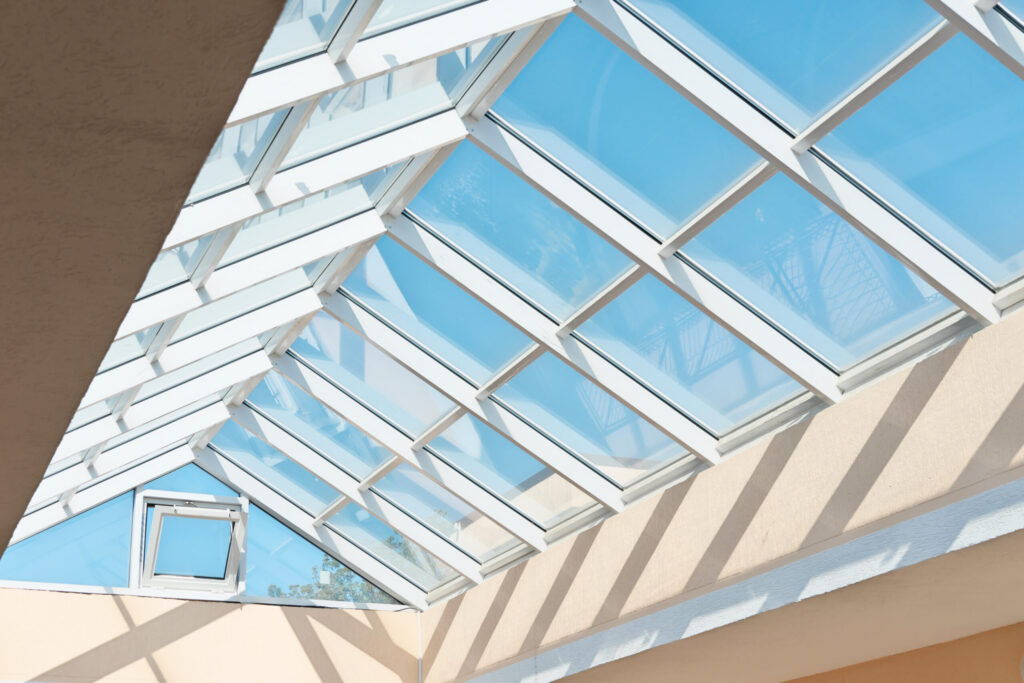
Thermal Comfort, Solar Protection And High-Performance Glazing Solutions
Modern conservatories are no longer simple extensions attached to a house. Today, they have become true living spaces designed to combine natural light, panoramic views and architectural elegance.
In regions exposed to strong sunlight and extreme temperatures, however, conservatories can quickly become uncomfortable if the wrong glazing is used. Poorly adapted glass may generate :
- Excessive Indoor Heat
- Strong Greenhouse Effect
- Thermal Breakage Risks
- High Air-Conditioning Consumption
- UV Damage On Furniture And Flooring
- Visual Discomfort And Glare
This is why glazing selection has become one of the most important technical aspects in modern veranda design.
Today, architects increasingly rely on advanced glazing technologies such as :
- Solar Low-E Glass
- Laminated Tempered HST Glass
- Solar Control Double Glazing
- EVA Laminated Glass
- High-Performance Insulated Glass Units
Modern conservatory glazing must now combine aesthetics, solar protection, safety and thermal efficiency.
Why Conservatories Overheat In Hot Regions
Glass naturally transmits solar radiation into interior spaces. While this creates brightness and transparency, it also increases heat accumulation.
This phenomenon is commonly called the greenhouse effect.
In very sunny climates such as :
- Mediterranean Regions
- Middle Eastern Countries
- Tropical Areas
- Coastal Hot Zones
solar radiation can rapidly overheat enclosed glazed spaces.
Example :
A south-facing conservatory equipped with standard double glazing may exceed 40°C indoors during summer afternoons.
The main causes of overheating include :
- High Solar Gain
- Poor Solar Control
- Inadequate Thermal Insulation
- Lack Of Ventilation
- Incorrect Glass Orientation
The Main Technical Risks In Hot Climate Conservatories
Choosing inappropriate glazing does not only reduce comfort. It can also create serious technical issues.
Thermal Breakage
Thermal breakage occurs when temperature differences within the glass become too high.
This may happen when :
- Part Of The Glass Is Exposed To Strong Sunlight
- Another Part Remains Cooler
- Heat Distribution Becomes Uneven
This creates internal stress that can lead to spontaneous glass cracking.
> Tempered glass is strongly recommended in hot climates because it resists thermal stress much better than standard annealed glass.
Thermal Bridges
Poorly designed glazing systems may create thermal bridges.
A thermal bridge allows heat transfer through :
- Aluminum Profiles
- Spacer Bars
- Poor Insulation Areas
This can lead to :
- Higher Energy Consumption
- Condensation
- Reduced Thermal Efficiency
Modern conservatories therefore increasingly use :
- Thermal Break Aluminum Systems
- Warm Edge Spacers
- High-Performance Insulated Glazing
Interior Overheating
Large glazed roofs exposed to direct sunlight can dramatically increase indoor temperatures.
Without solar control glass :
- Cooling Systems Become Inefficient
- Indoor Comfort Decreases
- Energy Bills Increase Significantly
> Solar control coatings have therefore become essential in modern conservatory architecture.
Solar Control Glass : The Essential Solution For Hot Climates
Solar control glass is specifically designed to reduce solar heat gain while maintaining high light transmission.
This technology uses high-performance coatings capable of :
- Reflecting Solar Radiation
- Reducing Heat Penetration
- Limiting Glare
- Improving Summer Comfort
Solar control glazing is highly recommended for :
- South-Facing Conservatories
- Panoramic Roofs
- Fully Glazed Extensions
- Tropical Regions
- Contemporary Villas
Recommended Glazing Compositions For Very Hot Regions
Several high-performance glazing compositions are commonly used in modern conservatories.
44.2 / 16 / 4 Solar Low-E
Composition :
- 2 Laminated Safety Glass
- 16 mm Argon Gas Cavity
- 4 mm Solar Low-E Glass
Advantages :
- Good Solar Protection
- Improved Thermal Insulation
- Enhanced Safety
- Better Acoustic Comfort
Recommended for :
- Residential Verandas
- Urban Conservatories
- Medium-Sized Roof Glazing
4 / 16 / 4 Solar Low-E
Composition :
- 4 mm Exterior Solar Control Glass
- 16 mm Argon Gas Spacer
- 4 mm Low-E Interior Glass
Advantages :
- Reduced Solar Gain
- High Light Transmission
- Energy Efficiency
- Improved Indoor Comfort
Recommended for :
- Contemporary Conservatories
- Sliding Glass Walls
- Modern Residential Extensions
Laminated Tempered HST Glass
For highly exposed roofs and large spans, laminated tempered HST glass is strongly recommended.
Typical compositions :
- HST 66.4
- HST 88.4
- HST 1010.4
Advantages :
- Excellent Thermal Resistance
- Increased Mechanical Strength
- Improved Safety
- Reduced Risk Of Spontaneous Breakage
> Particularly suitable for :
- Panoramic Roofs
- Skylights
- Frameless Conservatories
- Luxury Villas
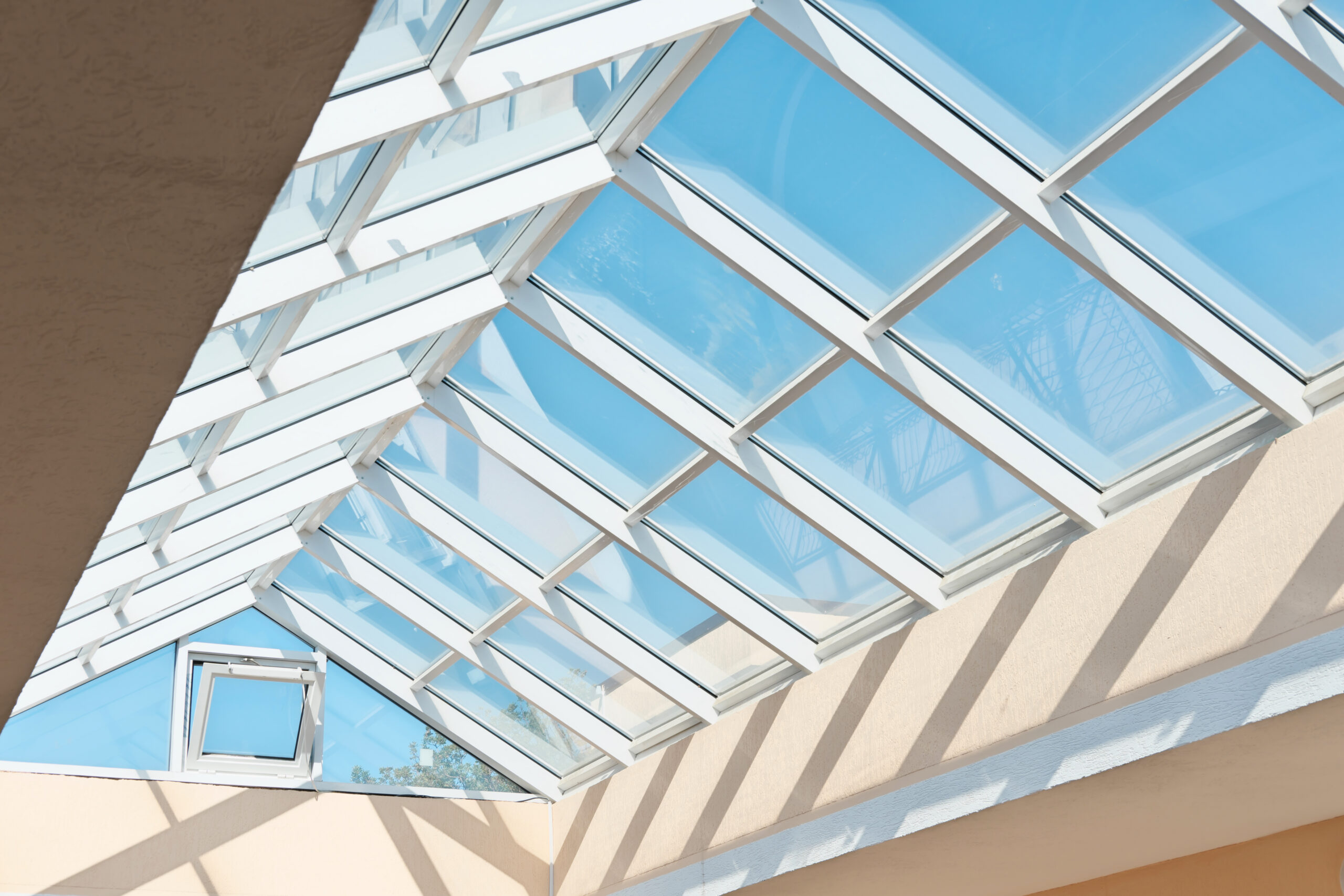
Technical Performance Table For Conservatory Glass In Hot Climates
Glass Composition | Solar Factor (g-value) | Ug Value (W/m²K) | Main Advantages | Recommended Applications |
44.2 / 16 / 4 Solar Low-E | ~0.38 | ~1.1 | Solar Protection, Safety, Acoustic Comfort | Residential Conservatories, Roof Glazing |
4 / 16 / 4 Solar Low-E | ~0.40 | ~1.0 | High Light Transmission, Energy Efficiency | Sliding Glass Walls, Modern Verandas |
HST 66.4 EVA Laminated Glass | ~0.42 | Depends On Assembly | Thermal Resistance, Humidity Resistance | Panoramic Roofs, Coastal Projects |
HST 88.4 PVB Laminated Glass | ~0.40 | Depends On Assembly | Structural Strength, Acoustic Insulation | Large Conservatories, Structural Glazing |
Solar Control Double Glazing | 0.25 – 0.40 | 1.0 – 1.2 | Reduced Overheating, Improved Comfort | South-Facing Conservatories |
EVA Laminated Solar Glass | ~0.35 | Depends On Configuration | UV Stability, Exterior Durability | Tropical And Humid Climates |
Choosing the right glazing composition depends on :
- Climate Exposure
- Roof Orientation
- Glass Dimensions
- Ventilation Strategy
- Desired Thermal Performance
- Architectural Design Objectives
Modern conservatories in hot climates generally require a combination of :
- Solar Control Coatings
- Laminated Safety Glass
- Low-E Thermal Insulation
- High-Performance Framing Systems
to guarantee long-term comfort and energy efficiency.
EVA Vs PVB Interlayers In Hot Climates
The interlayer used in laminated glass directly affects long-term performance.
The two main technologies are :
- PVB
- EVA
PVB Interlayers
PVB provides :
- Excellent Optical Transparency
- Strong Impact Resistance
- Good Acoustic Performance
Recommended for :
- Residential Conservatories
- Standard Architectural Projects
- Urban Applications
EVA Interlayers
EVA is increasingly used in difficult climates because it offers :
- Strong UV Resistance
- Excellent Humidity Resistance
- Better Edge Stability
- Improved Exterior Durability
Example :
A seaside veranda exposed to heat, humidity and salt air will generally perform better with EVA laminated glass.
> EVA is particularly recommended for exterior glazing in very hot and humid environments.
Modern Conservatory Trends For 2026
Contemporary conservatories increasingly integrate :
- Frameless Glazing Systems
- Ultra-Clear Glass
- Oversized Sliding Panels
- Panoramic Roof Glazing
- Slim Aluminum Structures
- Indoor-Outdoor Continuity
Architectural trends now focus on :
- Maximum Transparency
- Thermal Efficiency
- Minimalist Design
- Natural Light Optimization
Example :
Luxury Mediterranean villas increasingly integrate panoramic verandas connected directly to outdoor lounges and swimming pools.
Design Tips For Conservatories In Very Sunny Regions
Several architectural choices can significantly improve thermal comfort.
Recommended Solutions :
Combine Solar Glass With External Shading
Pergolas and louvers reduce direct solar exposure.
Use Light-Colored Interior Materials
Light finishes reduce heat absorption.
Integrate Natural Ventilation
Sliding openings improve airflow circulation.
Choose High-Performance Roof Glazing
Roofs receive the highest solar exposure and require enhanced protection.
Use Slim Thermal Break Aluminum Profiles
This improves insulation while preserving minimalist aesthetics.
Technical Glazing Solutions By Noxem Group
Noxem Group develops high-performance glazing solutions adapted to conservatories and architectural projects exposed to demanding climate conditions.
The company offers :
- Solar Low-E Glass
- Laminated Tempered HST Glass
- 2 / 16 / 4 Solar Low-E
- 4 / 16 / 4 Solar Low-E
- EVA And PVB Laminated Glass
- Oversized Architectural Glazing
- Structural Glass Solutions
Applications include :
- Verandas
- Panoramic Roofs
- Skylights
- Glass Façades
- Contemporary Glass Extensions
All glazing systems are manufactured according to :
- Technical Drawings
- Project Specifications
- European EN Standards
Why Architects Work With Noxem Group
Architectural projects in hot climates require :
- Advanced Thermal Expertise
- Customized Glazing Solutions
- Reliable Solar Performance
- Precision Manufacturing
Noxem Group supports professionals through :
- Technical Recommendations
- Project-Oriented Support
- Customized Manufacturing
- Solar Control Expertise
- International Logistics Capabilities
> A reliable partner for modern conservatory and architectural glazing projects.
Bring Your Conservatory Project To Life
Request A Quote On Noxem Group
Every conservatory project involves unique :
- Climate Constraints
- Architectural Objectives
- Thermal Requirements
- Design Expectations
By sharing your project specifications, Noxem Group can help you select :
- The Right Solar Control Glass
- Suitable Thermal Insulation Solutions
- Laminated Safety Glazing
- Customized Architectural Glass Systems
Whether for luxury villas, panoramic verandas, skylights or contemporary roof glazing, Noxem Group provides reliable and high-performance solutions adapted to modern architecture.
Conclusion
In very hot climates, glazing selection plays a critical role in the success of a conservatory project.
Modern technologies such as :
- Solar Control Coatings
- Low-E Glass
- Laminated Tempered HST Glass
- EVA Interlayers
allow architects and homeowners to create elegant, bright and thermally comfortable living spaces even under intense sunlight.
> Today, high-performance glazing is no longer simply a technical necessity : it has become a key architectural element in modern veranda design and thermal comfort optimization.
Have a request? Fill out the form below to get in touch:
Form
A flat glass project?
Send us your references and delivery location: you get your price within 24 hours.
Request a price contact@noxemgroup.com · aaron.harfi@noxem-group.com