In hot countries, glass must let light in without letting heat in. Two families meet this need: Low-E glass and reflective glass. They do not work the same way and are not used the same way. Here is how to choose.
Reflective glass
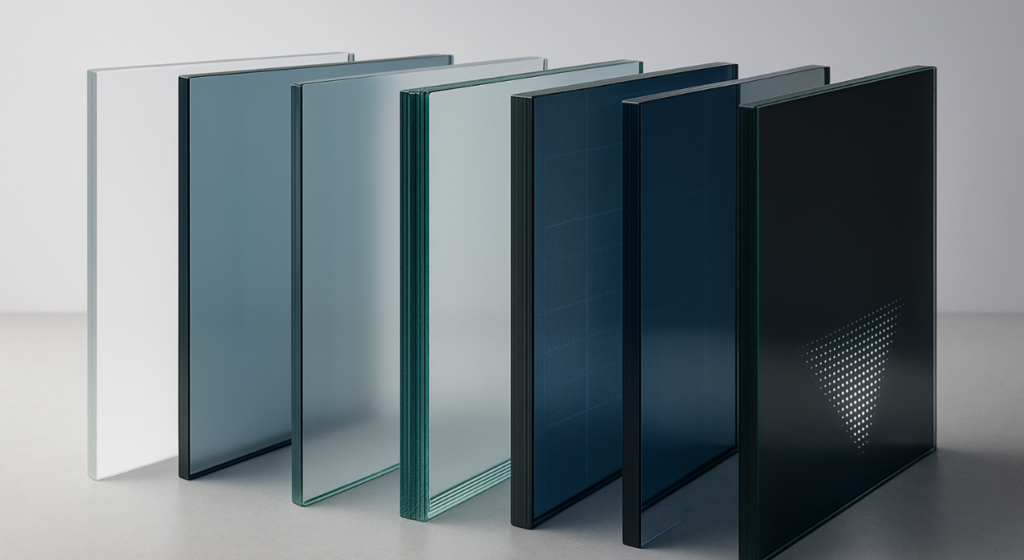
A metallic coating gives the glass a mirror effect seen from outside. It reflects a large share of the sun’s heat and gives privacy during the day. It comes in several shades, such as bronze, grey, blue or green. On the other hand, it lets in less light, and the mirror effect reverses at night, seen from inside.
Low-E glass
A very thin, almost invisible coating limits heat transfer through the glass. Solar-control versions also block a large share of the sun’s heat while letting plenty of light through. There are two types:
- Hard coat: applied while the glass is made, it is durable and can be used in single glazing.
- Soft coat: higher performance but delicate: it must be protected inside a double glazing unit.
How to choose
- Your market mostly fits single glazing: as in much of Africa and North Africa. Choose reflective glass or hard-coat Low-E.
- Your customers make double glazing: soft-coat solar-control Low-E gives the best result, with plenty of light and little heat.
- Offices and exposed facades: reflective glass remains in strong demand for privacy and the mirror look.
- Projects with energy requirements: as in Saudi Arabia, consultants ask for precise values: solar factor, light transmission and U-value.
The smart move: mix
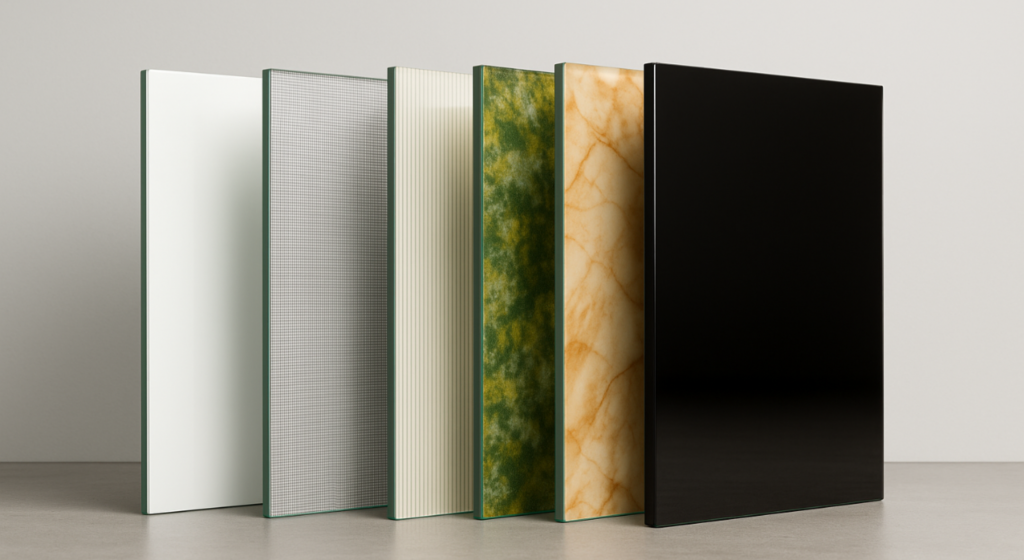
One container can combine clear float, reflective glass in your two best-selling shades and some Low-E to test demand. With each reference, we send the technical data sheet with its performance values.
Low-E, reflective, float: your mixed container
Tell us your shades and thicknesses: CIF price within 24 hours, technical data sheets included.
Build my container Request a price for my port
WhatsApp : +33 6 86 13 12 71 · contact@noxemgroup.com